Quick answer: Most homeowners should have their chimney swept and inspected once a year, ideally in the late summer or early fall before the heating season starts. If you use your fireplace or wood stove heavily, burn unseasoned wood, or have a gas insert, you may need service more than once a year. The National Fire Protection Association (NFPA 211) and the Chimney Safety Institute of America (CSIA) both recommend annual inspections regardless of how often you actually use your fireplace.
If you're a homeowner in Bucks or Montgomery County, PA, here's what actually determines how often your chimney needs attention — and why skipping a year can cost you a lot more than a sweep would.
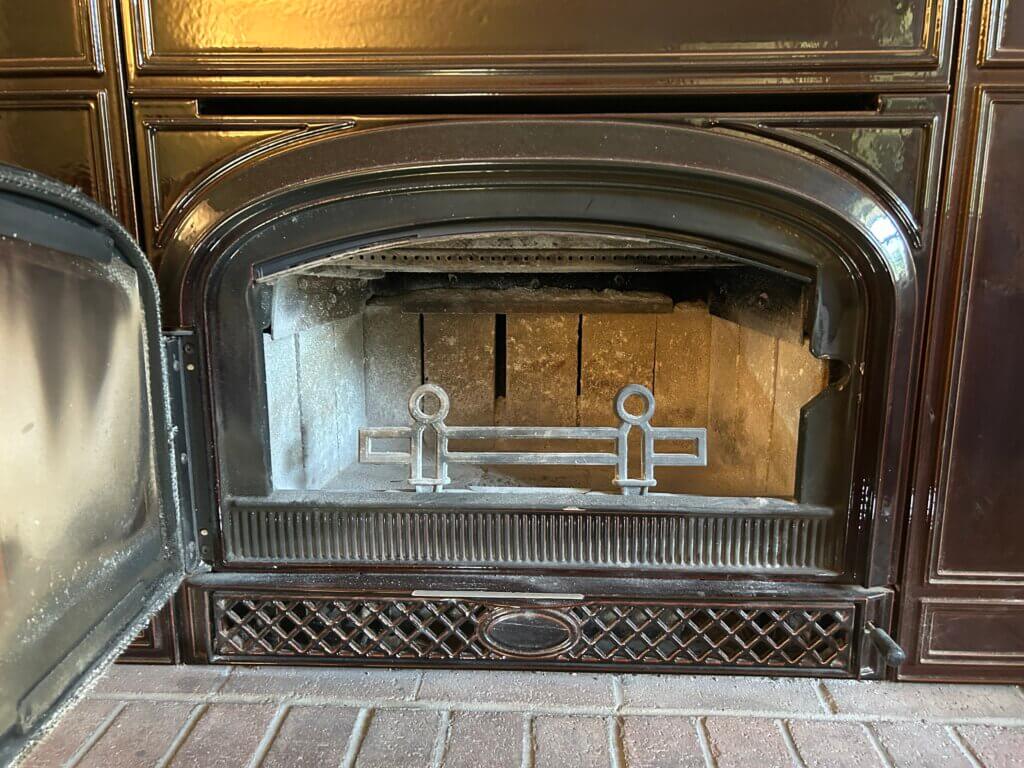
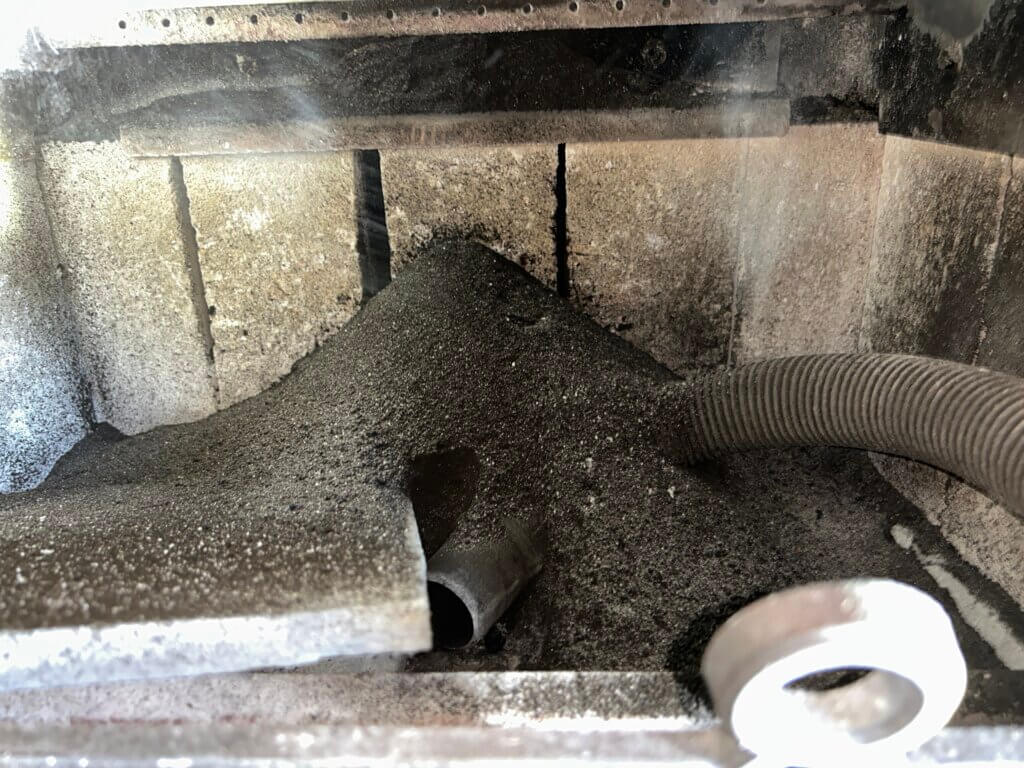
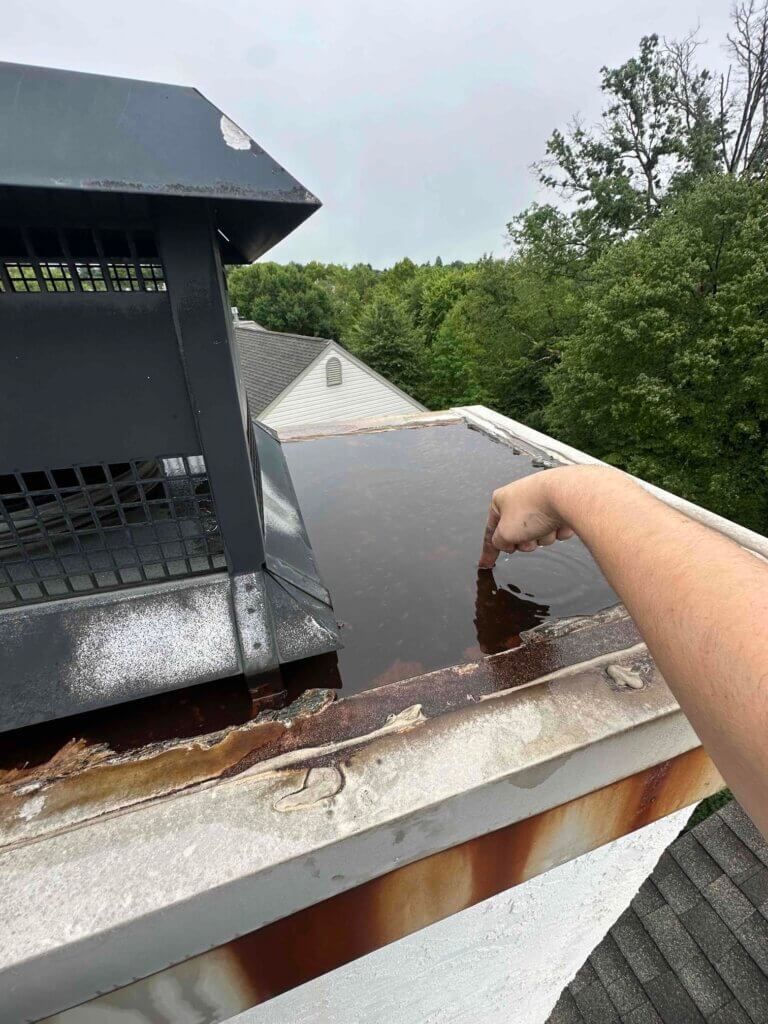
Creosote — the byproduct of burning wood — builds up inside a chimney flue every time you have a fire, even small ones. Left alone, it becomes a fire hazard. But creosote isn't the only reason for yearly visits. Chimneys are exposed to the harshest conditions on your entire house: wind, rain, ice, snow, and sun, all year round, sitting at the highest point on your roofline. Chase covers rust, flashing fails, mortar joints deteriorate, and animals find their way into flues that have gone unused for a season. An annual inspection catches these issues while they're still small repairs, not five-figure rebuilds.
Even homes with gas fireplaces or gas inserts need yearly inspections. Gas appliances don't produce creosote, but the venting system, gas lines, and chimney structure still need to be checked for blockages, corrosion, and proper draft.
These terms get used interchangeably, but they're not the same service:
Most annual visits combine a sweep with a Level 1 inspection, which is enough for the average homeowner in a typical year.
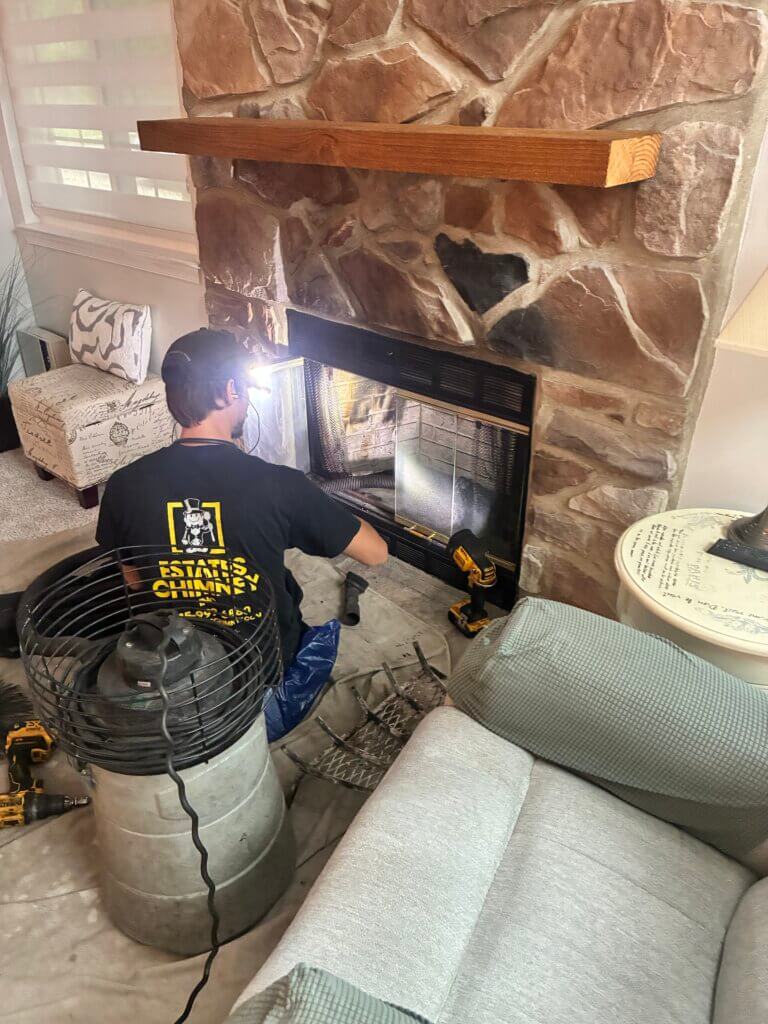
"Once a year" is the baseline, not a hard rule. A few factors can push you toward more frequent visits:
Between annual visits, call sooner if you notice:
Any one of these can be a minor fix if caught early — or a much bigger repair if ignored through another burning season.
The most common story we see: a homeowner puts off a sweep for a couple of seasons because the fireplace "seemed fine," and a routine visit turns up a cracked flue liner, a rusted-through chase cover, or water damage that's been working its way into the chimney structure unnoticed. Because a chimney sits above the roofline, problems there don't announce themselves the way a leaky faucet does — by the time you can see damage from inside the house, it's usually been developing for a while.
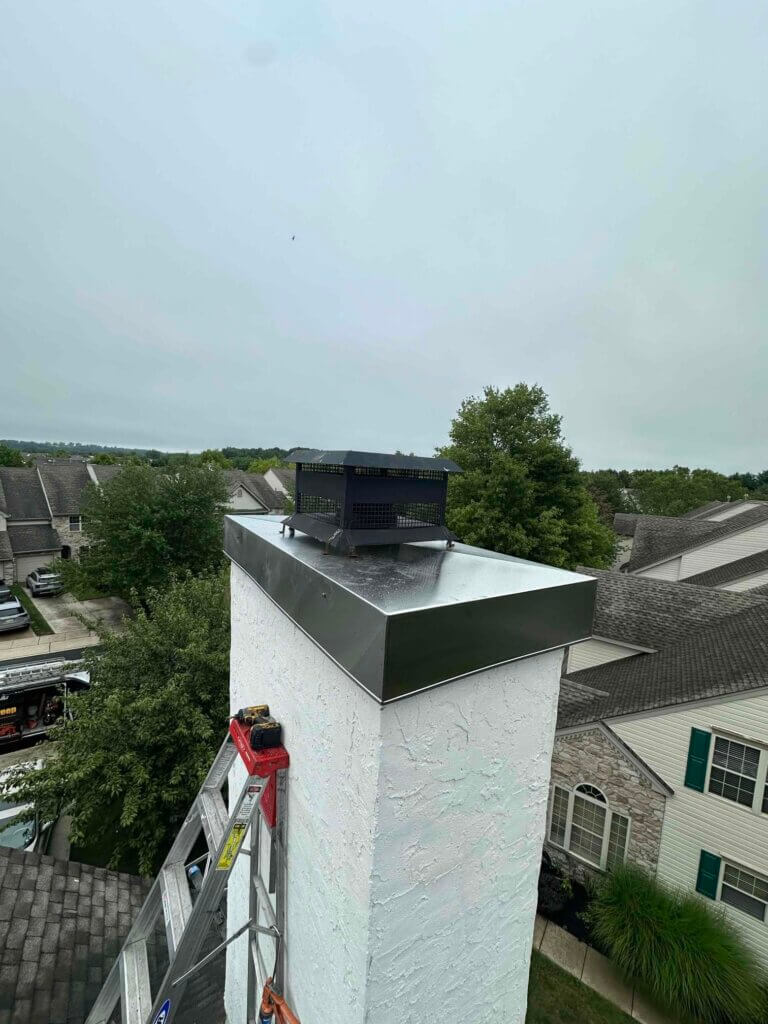
Early spring through early fall is the best window to book, before the rush of homeowners calling once the weather turns cold. It also means any repairs identified during your inspection can be completed well before you actually need the fireplace.
It's also worth timing your visit around our schedule: each summer, Estates Chimney offers a discounted summer special for previous customers as a thank-you for their continued business. If you've worked with us before, booking your annual sweep and inspection during the summer months is an easy way to save while getting ahead of the fall rush.
Estates Chimney Inc. has been serving Bucks and Montgomery County since 1979. Our technicians are CSIA and NFI certified, and every job — sweep, inspection, repair, or full rebuild — is handled in-house by our own team, never subcontracted out. One company, one call, for the entire life of your chimney.
Ready to schedule your annual sweep and inspection? Call us at 215-997-6880 or request an estimate online.
Do I need a chimney sweep if I have a gas fireplace? Yes. Gas fireplaces don't produce creosote, but the chimney and venting system still need an annual inspection to check for blockages, corrosion, and proper airflow.
How much does a chimney sweep cost? Pricing depends on the chimney's condition, accessibility, and whether a Level 1 or Level 2 inspection is needed. Contact Estates Chimney for a quote specific to your home.
Can I sweep my own chimney? It's not recommended. A proper sweep and inspection requires training to spot structural issues, liner damage, and venting problems that aren't visible to an untrained eye — the kind of issues that cause chimney fires and carbon monoxide problems if missed.
What time of year is best to schedule a chimney sweep? Early spring through early fall, before the heating season begins and before scheduling gets tight.
How do I know if my chimney needs a Level 2 inspection instead of Level 1? A Level 2 inspection is recommended if you're buying or selling a home, after a chimney fire, after changing your liner or appliance, or if a Level 1 inspection or homeowner-reported symptom points to a possible hidden issue.