Masonry Chimney Relining Experts
At Estates Chimney, we specialize in high-quality masonry chimney relining services to restore safety, improve performance, and extend the life of your chimney system. Whether you're dealing with an aging clay liner or deteriorated masonry, our certified technicians use tested methods and modern materials to bring your chimney back to top shape.
What Is Chimney Relining, and Why Does It Matter?
Chimney relining is no small task. You're taking a vertical structure that channels combustion temperatures over 1,000°F, and rebuilding the inside of it — sometimes without touching the outside brick at all.
Sound tricky? It is.
Imagine doing tile work... inside a 30-foot vertical shaft, often with crumbling mortar or structural shifts. That’s where our experience comes in. We follow proven processes — but with the force, care, and precision needed to ensure your fireplace or appliance can vent safely for years to come.
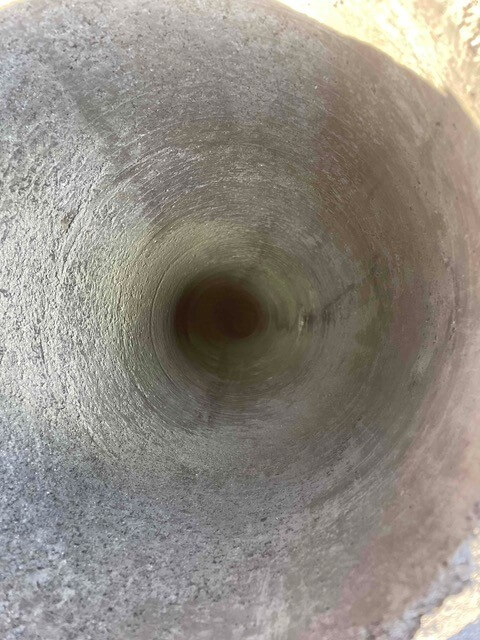
Before & After:
Common Chimney Liner Types
We install or repair all major types of chimney liners — and we’ll help you determine the best fit based on the condition of your current system, fuel type, and long-term plans.
1. Metal Liners
- Materials: Stainless steel (most common), galvanized, or painted metal
- Use: Excellent for wood, gas, FURNACES.
- Strengths: Long lifespan, corrosion-resistant, great draft performance
- Best for: Homes that need a high-performance, flexible solution
Stainless steel liners are UL-listed and can often be insulated for even better performance.
2. Clay Tile Liners
- Materials: Terracotta-based modular tiles
- Use: Traditional wood-burning masonry chimneys
- Strengths: Durable, cost-effective (when intact)
- Challenges: Difficult to repair; may crack under thermal stress
Many chimneys built before the 1950s still use these — and when in good shape, they’re excellent. But even one cracked tile can compromise the whole flue.
3. Cast-in-Place Liners
- Materials: Poured refractory cement (like Supaflu®)
- Use: Reinforces flue walls while creating a new, smooth lining
- Strengths: Structural stability, airtight, great insulation
- Best for: Severely deteriorated flues that can’t be relined with metal
These liners harden into one seamless structure inside the chimney, effectively sealing cracks and strengthening weak walls.
Notice, Estates Chimney will only install stainless steel liners for furnace flues.
Other companies offer this, sometimes because they lack the specialized equipment to preform something like:
Supa Flu poured in place masonry liner. This is a superior overall process!
🧪 What Is Supaflu®?
We offer Supaflu®, a UL-listed poured-in-place chimney flue system. It’s the go-to solution when your masonry flue has suffered extensive damage but full rebuilds aren’t ideal.
- Custom Fit for Superior Performance: The SupaFlu process involves pouring a lightweight masonry material directly into the flue, creating a seamless, custom-fit perfectly round liner that conforms around the flue bladder we drop down the chimney. This ensures optimal drafting and performance, improving the overall efficiency of your fireplace.
- Enhanced Durability: Unlike stainless steel liners, which can degrade over time due to corrosion or thermal expansion, the SupaFlu liner is made from a durable, heat-resistant material designed to withstand extreme temperatures and the test of time.
- Structural Reinforcement: The SupaFlu liner not only improves your chimney’s performance but also reinforces the existing structure. This added strength can help prevent cracks or deterioration in the chimney walls.
- Improved Heat Retention and Safety: SupaFlu provides excellent insulation, retaining more heat within the flue. This reduces the risk of creosote buildup, enhancing safety and lowering the chance of chimney fires.
- Cost-Effectiveness in the Long Term: While the upfront cost may be comparable to or slightly higher than a stainless steel liner, the extended lifespan and reduced maintenance of a SupaFlu liner make it a more economical choice over time.
- 6. Eco-Friendly Choice: The materials used in the SupaFlu process are environmentally friendly, making it a more sustainable option for your chimney liner
Learn more today
🔧 Our Chimney Relining Process
- Full Inspection
- We assess the condition of your chimney, liner, and structure.
- Video camera scoping is often used for precision.
- Choosing a Relining Method
- Based on your chimney's construction and needs, we recommend one of the three main approaches: stainless steel, clay repair, or cast-in-place.
- Install & Rebuild
- We remove the old liner (if needed), make masonry repairs, and install your new liner to exact specifications.
- Test for Safety
- Smoke or pressure testing ensures your liner is sealed, compliant, and working efficiently.
🧱 Chimney Relining Isn’t Optional — It’s Essential
Cracked tiles, corroded liners, or unlined flues can:
- Allow toxic gases (like carbon monoxide) to leak into the home
- Create fire hazards behind chimney walls
- Reduce heating efficiency and increase smoke
If your chimney hasn’t been inspected in over 10 years, or you’re noticing performance issues, it might be time to talk relining.